
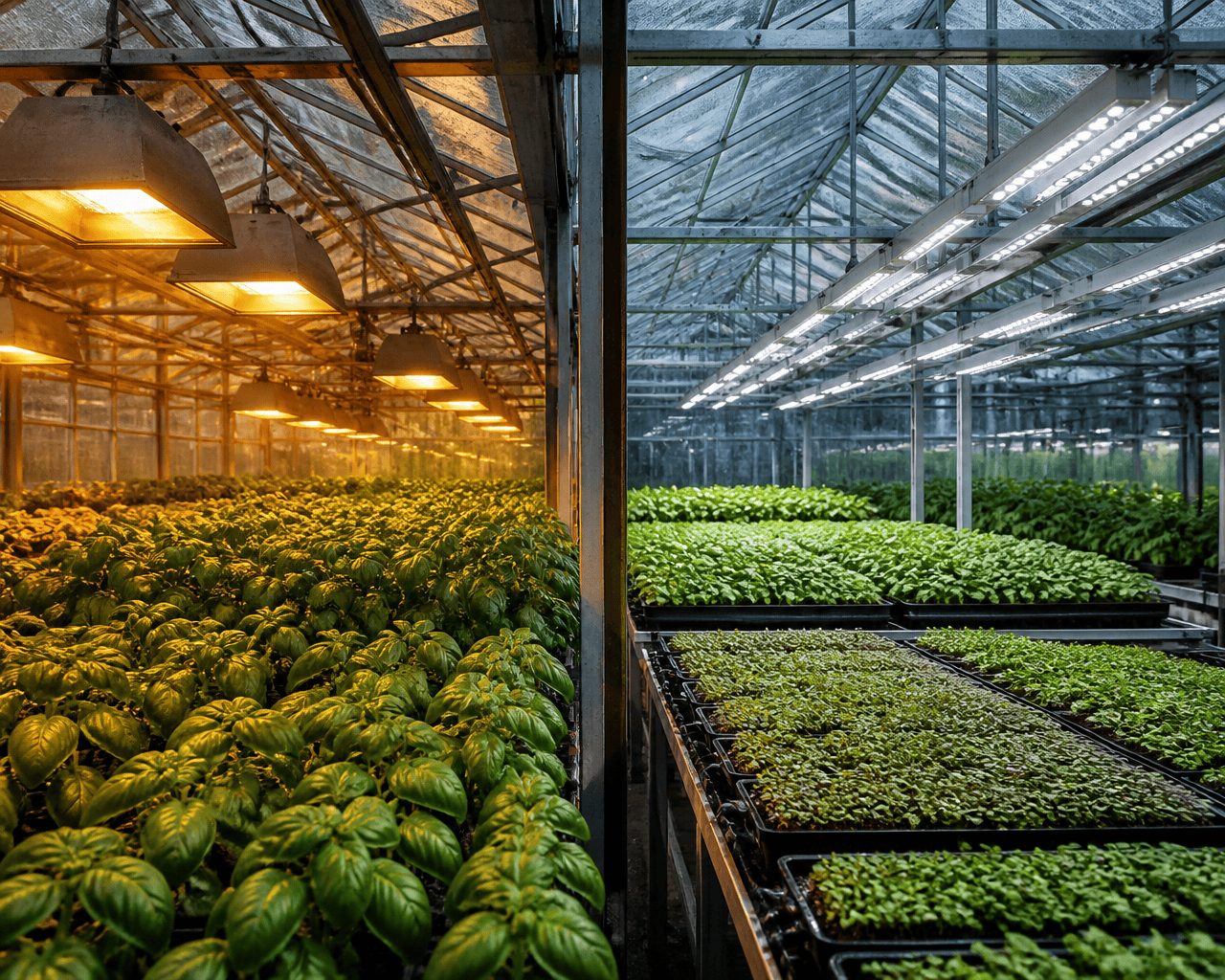
Key points of this article: The global horticultural lighting market is projected to reach USD 44,3 billion by 2026, with over 70% professional adoption of LEDs – a strong signal for any grower still hesitant to switch. High-performance LEDs now exceed the 3,0 µmol/J threshold: every watt invested produces more… Continue reading Horticultural lighting market in 2026: what developments to expect to prepare your 2027 investments?
Category: Unclassified
LED Taxonomy 2026: What the new FlexLight regulation really requires
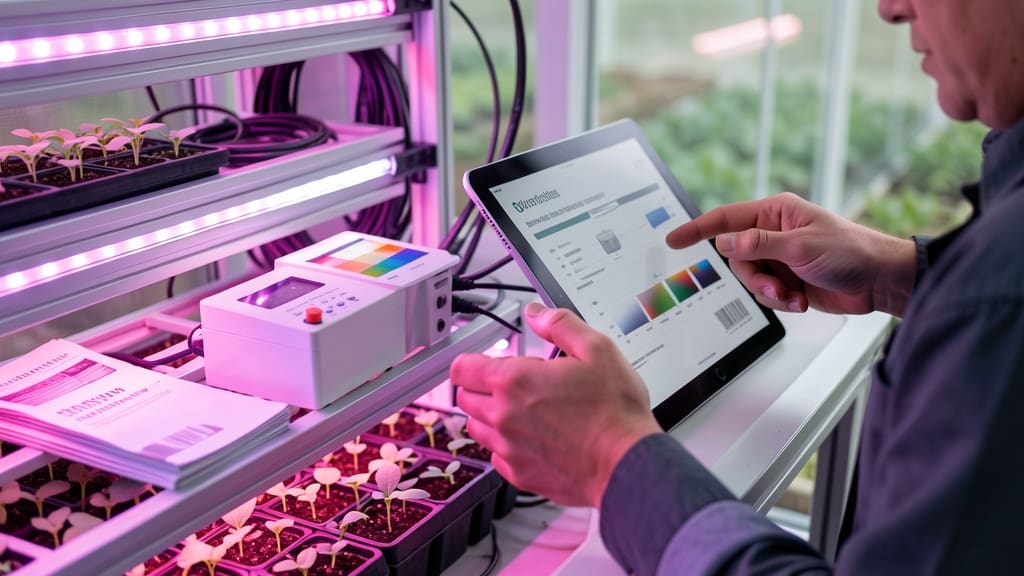
Key points of this article: The FlexLight 2026 regulatory framework mandates documented spectral labeling and native digital traceability, going well beyond the requirements of the ErP Directive. Registration in the European EPREL database is now an absolute prerequisite for placing any horticultural lighting on the market in Europe. Spectral documentation… Continue reading LED Taxonomy 2026: What the new FlexLight regulation really requires
New horticultural LED chips for 2026: what's really changing
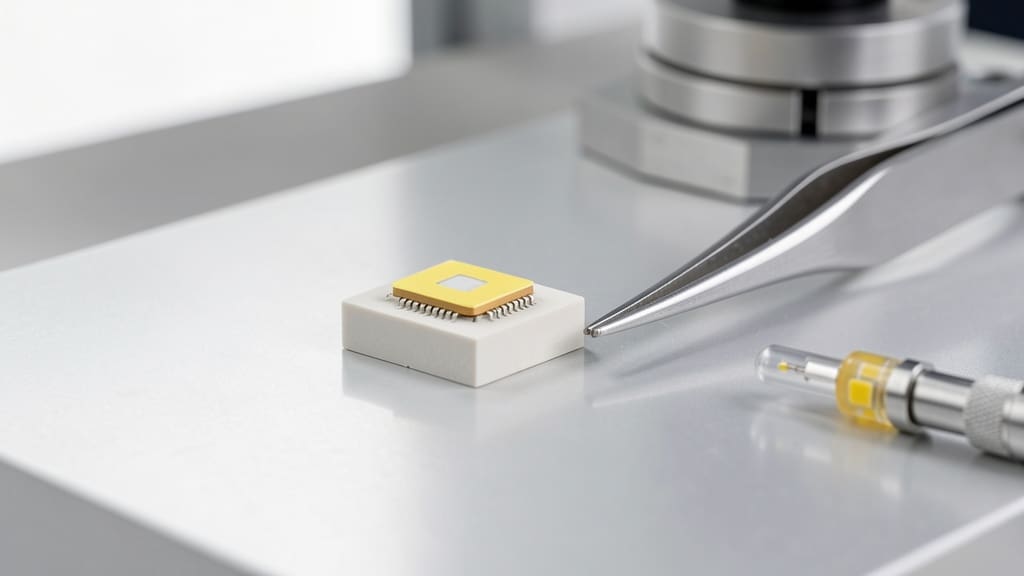
Key points of this article: By 2026, the horticultural industry will shift from a focus on light quantity to the metabolic control of plants, a transformation that will redefine the role of LED lighting in greenhouses. New chip architectures – Flip Chip, 3030 ceramic packages, and Oslon Optimal chips – offer superior PPE efficiency, a… Continue reading New horticultural LED chips for 2026: what's really changing
The LED criterion that no one measures and that will determine everything within 3 years
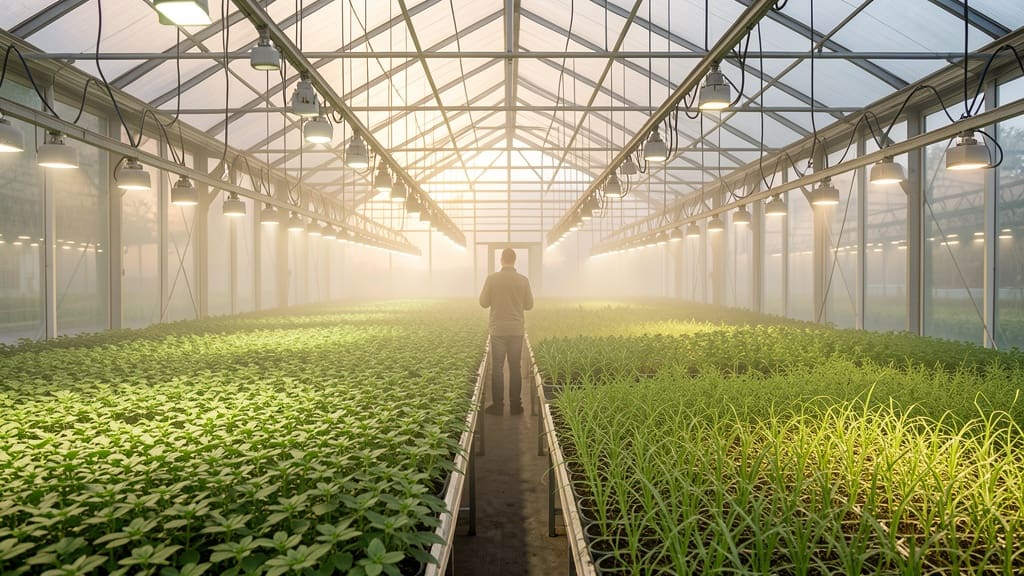
Key points of this article: Standard horticultural LED luminaires lose between 10 and 15% of their light output per year, a phenomenon invisible to the naked eye but with measurable agronomic consequences. Two luminaires with the same initial PPFD can produce radically different results after 24 months, due to spectral drift related to… Continue reading The LED criterion that no one measures and that will determine everything in 3 years